
Giving someone the gift of their own story (without writing it for them)
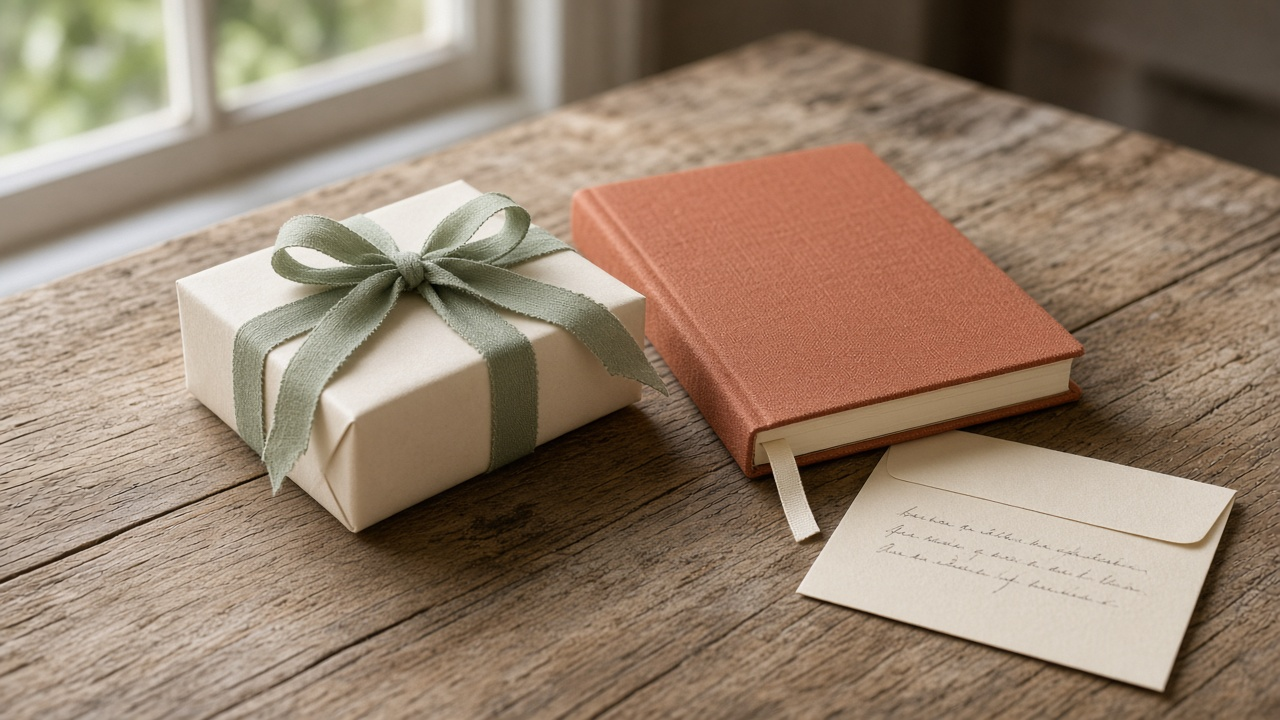
Every year someone stands in a store aisle, or scrolls past midnight, looking for a gift for the person who says they want nothing. A parent who has everything. A grandmother who gives away what she is given. A father who would rather you saved your money. The gift that tends to land with these people is not a thing at all. It is attention: the sense that someone wants to hear what they have to say.
That is why the gift of a person’s own story is so quietly powerful, and why it is so easy to get wrong.
The temptation to write it for them
When we love someone’s stories, our first instinct is to collect them ourselves. We record the dinner-table version of how they met. We sit them down with a list of questions and a phone on the table. We promise to turn it all into a book.
Sometimes that works. More often it stalls. The interview feels like an exam. The recording sits unedited. And even when the book gets made, it is in our voice, with our emphasis, shaped by what we thought mattered. The person at the center becomes a subject rather than an author.
The kinder gift is subtler. Instead of taking their story, you give them a way to tell it, and then you step back.
What a good story gift actually gives
Permission. Many people, especially those who lived through hard decades without fuss, feel their lives are not interesting enough to write down. A gift says, plainly, that someone believes otherwise. That alone can unlock years of memory.
A small, regular ask. Nobody sits down and writes their life in one afternoon. But almost anyone can answer one question: What did your street sound like on a summer evening? Who taught you to drive? What did you do with your first paycheck? Small questions, arriving steadily, add up to a life.
Privacy and pace. Some memories come easily. Others take a week of thinking before they are ready. A good gift lets the writer answer at their own speed, alone, without anyone watching them hesitate.
Ownership. The words should stay theirs. They decide what to include, what to leave out, and when it is ready to share. That control is part of what makes people willing to be honest.
How to give it without taking over
Give it with a note, not a speech. A sentence or two is enough: I’d love to know more about your life, in your words, whenever you feel like writing. Avoid deadlines and avoid making it sound like homework.
Resist checking in on progress. It is tempting to ask, “Have you answered this week’s question?” Try not to. If they want to share, they will. The surest way to stop someone writing is to make them feel monitored.
Tell them short answers count. Many people freeze because they think every reply has to be an essay. A three-line answer about a favorite aunt is a real contribution. Often the short ones are the most vivid.
Let them name who reads it. Some people write more freely knowing the words are for a grandchild someday, or for one trusted person. Others want to keep it private until the end. Either is fine. The point is that they choose.
The return on a gift like this
The obvious return is a record: the stories you would otherwise lose, set down while there is still time. But people who give a story gift often describe something less expected. Their parent starts bringing up memories at lunch. A grandfather mentions, almost shyly, that he wrote about the farm this week. Conversations open up that had been closed for years, not because anyone pushed, but because the asking was gentle and steady.
And for the writer, there is a different kind of return. Answering a question about your childhood kitchen is a way of visiting it. Many people find the act of remembering, a little each week, steadying in itself.
A gift that keeps arriving
Most gifts are opened once. A living memoir arrives again every week, as a single quiet question in the inbox they already check. That is the idea behind The Long Ask. You can give it to someone, or start your own. We send the questions, beginning with the years already lived and moving toward the weeks ahead. They answer in their own words, at their own pace. Everything is kept together, ready to read back as a PDF and ready to become a printed book when they decide it is time.
You are not writing their story. You are making room for them to tell it. That might be the most thoughtful thing you give all year.