
Letters before apps: why email still suits a living memoir
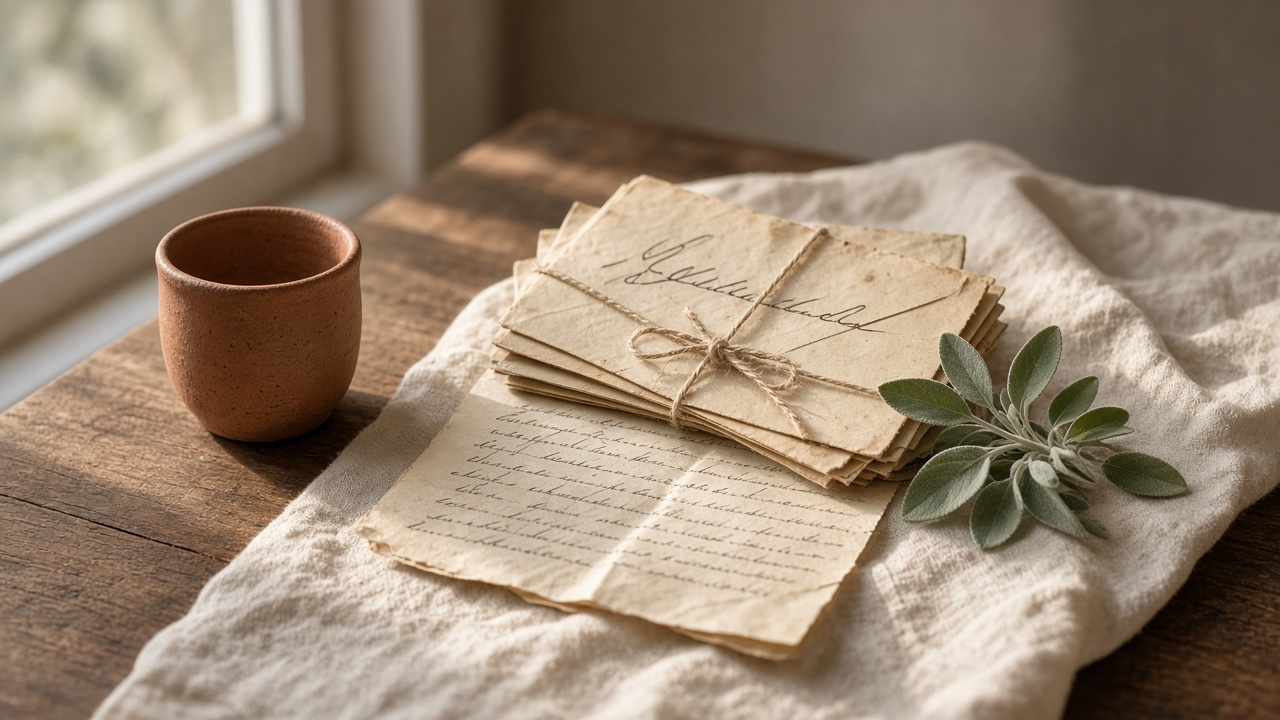
Somewhere in most families there is a box. A shoebox, a biscuit tin, a drawer that sticks. Inside are letters: a grandmother writing home from her first job in the city, a soldier asking about the weather on the farm, a cousin reporting a wedding nobody else remembers. Nobody who wrote them thought they were writing a memoir. And yet, decades later, that box is often the truest account of a life the family has.
Letters worked because of their shape. Someone asked. Someone answered. There was time in between. That shape, it turns out, is still the best one we have for getting a life onto the page, and the closest thing we have to it now is a plain email.
A letter is a question you can answer slowly
A blank page asks for everything at once. Write your life story is not an invitation; it is a wall. A letter asks for something smaller and more human: tell me how you are. Tell me what happened. Tell me about the house on Elm Street. The size of the ask is what makes it answerable.
Email keeps that size. A single question arrives in the place you already read your mail, in the middle of an ordinary week. You can answer it at the kitchen table in ten minutes, or let it sit until Sunday evening and write two pages. Either way, you are answering a person-shaped question, not filling in a form.
Why not another app?
Apps are built to be opened. They want streaks, badges, notifications, a reason to tap. That is fine for exercise or language drills. It is a strange fit for the story of your life.
Memory does not like to be hurried. The best answers tend to come sideways, a day after the question, when you are washing dishes and remember the smell of your father’s workshop. A letter waits for that. An email waits for that. It sits quietly in the inbox, asking nothing more than to be answered when you are ready.
There is also the matter of what lasts. Apps come and go; the one you love this year may be gone in five. Email is old, plain, and stubbornly everywhere. Almost everyone you know can send and receive it, including the parent or grandparent who would never download anything new. A form that durable is a good home for words you hope will outlive you.
Writing back like it matters
If you have ever kept a letter, you know what made it worth keeping. It was not polish. It was presence: the sense of a particular person, on a particular day, talking to you. That is worth aiming for when you reply.
Write to someone. Even if the question comes from a service, picture a reader. A grandchild at twenty. Your own older self. The friend who knew you best. You will find your sentences relax.
Start where you are. Old letters often open with the weather or the day’s small news before getting to the point. Let your answers do the same. It is not throat-clearing; it is context, and context is what future readers will treasure.
Leave in the asides. The half-sentence about the neighbor’s radio, the price of gas, the song that was always on. Letters are full of these, and they are exactly what history books leave out.
Do not wait for the perfect answer. A short reply sent is worth more than a long one imagined. You can always come back to a question; the unwritten answer is the only one that is truly lost.
The box, rebuilt
That family box of letters was never planned. It accumulated, one reply at a time, until it held something nobody could have sat down and written in one go. A living memoir works the same way. One quiet question by email each week. One honest answer back. Over a year, the replies gather into a record with the texture of real time, the way letters always did.
That is the idea behind The Long Ask. We send the questions, starting with the years you have already lived and moving toward the weeks still ahead. You answer in your own words, at your own pace, from the inbox you already use. Everything you write is kept together, ready to read back as a PDF, and ready to become a printed book when you decide it is time.
No streaks. No badges. Just the oldest, kindest format we have for a life: someone asking, and you writing back.