
Memory is not a filing cabinet: writing with aging parents (and yourself) in mind
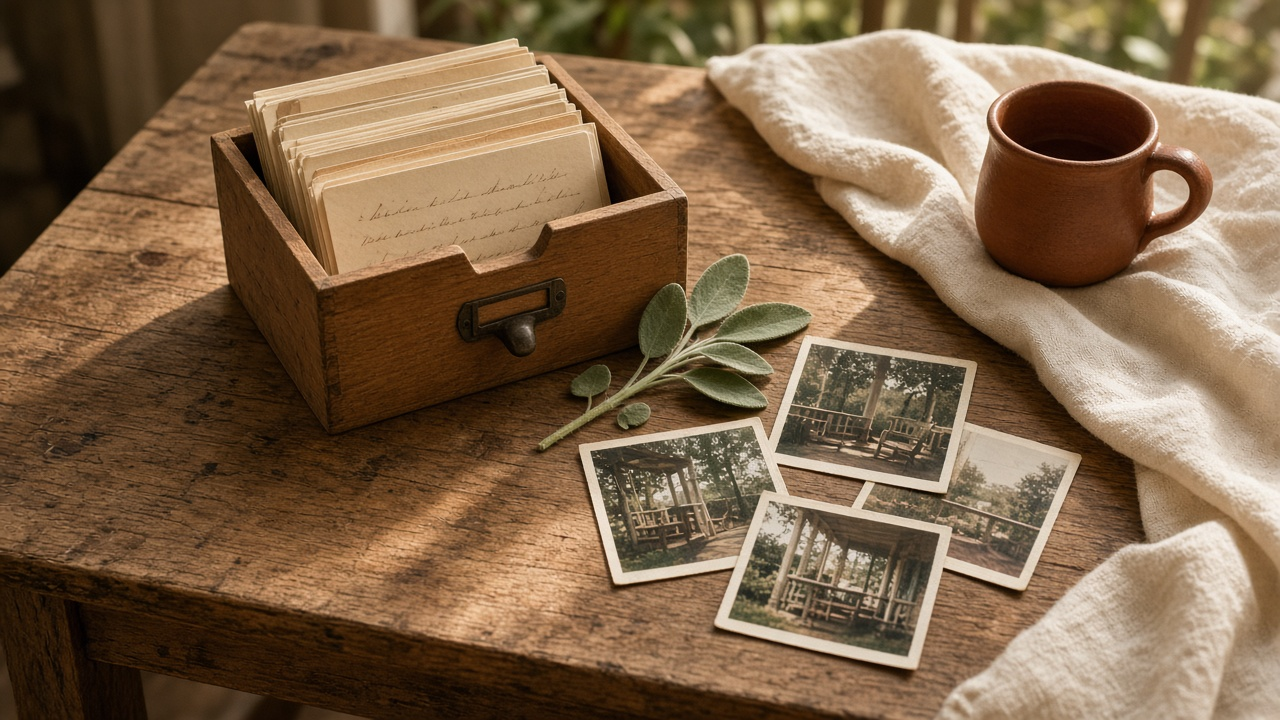
We like to imagine memory as a filing cabinet. Somewhere in the back of the mind, the thinking goes, every year has its own drawer, every summer its own folder, and if we only knew where to look we could pull out the afternoon our father taught us to swim, complete and unchanged.
Anyone who has sat with an aging parent knows it does not work that way. A name will not come, and then it arrives an hour later while the dishes are being dried. A story told a hundred times picks up a new detail. A whole decade seems to go quiet, until a song on the radio opens it like a door.
Memory is less a cabinet than a kitchen we keep rebuilding from what is on hand: a smell, a question, the person across the table. That is not a flaw to be fixed. It is the material a memoir is made from, and it changes how we should go about writing one, for our parents and for ourselves.
Stop hunting for the file
The most common way to stall a life story is to ask for it in order. Start at the beginning. Where were you born? What was school like? It sounds sensible, but it treats memory like an archive to be searched front to back, and most people freeze in the first drawer.
Memory answers better to a side door. Not “Tell me about your childhood,” but “What was on the table at Sunday dinner?” Not “What was your marriage like?” but “What did the two of you argue about in the car?” A small, specific question gives the mind something to hold, and the rest of the room tends to assemble itself around it.
Write with your parents, not about them
When a parent begins to slow down, there is often a sudden urgency on the part of their children: get it all down before it is gone. That urgency is understandable, and it can also make the asking feel like a deadline. People who feel tested tend to say less.
A gentler approach is to treat their memory as a collaborator rather than a vault you are racing to empty. Ask one thing at a time. Let the answer be short. Let it be different from the version you remember, too. Your mother’s account of the move to Ohio may not match yours, and both belong in the record. A living memoir is not a court transcript. It is a family’s chorus, and the disagreements are often where the truth gets interesting.
It also helps to give the stories somewhere to go that is not you. Many older writers find it easier to put words down when no one is watching them search for a word. A question that waits quietly in their inbox, ready whenever they are, can draw out what an interview across the table never will.
And write for the person you will become
It is easy to think of memoir as something our parents owe the future. But each of us is somebody’s aging parent in waiting, and our own filing cabinet is no more reliable than theirs. The details of this decade, the first apartment you can no longer picture, the friend whose laugh you could once imitate, are already softening at the edges.
Writing a little now is a kindness to the person you will be at seventy or eighty-five, who may want very badly to remember what Tuesday evenings felt like in the house you live in today. You do not have to write it well. You only have to write it down while the room is still standing.
What to keep in mind as you go
Specific beats complete. One clear memory of a grandmother’s hands is worth more than a careful summary of her life.
Repetition is a clue, not a problem. The stories a parent returns to again and again are usually the ones that matter most. Write each telling down; the small changes are part of the story.
Gaps are allowed. If a stretch of years will not come, leave it. A question next month may open it. A memoir with honest gaps is still a memoir.
Dates can wait. Feelings and objects tend to surface first. The year can be worked out later, or left as “the summer before your brother was born.”
One question at a time
This is the quiet thinking behind The Long Ask. Instead of asking anyone to open the whole cabinet, we send one question by email each week, starting with the years already lived and moving gently toward the weeks still ahead. You answer in your own words, as briefly or as fully as you like. Everything is kept together, ready to read back as a PDF and ready to become a printed book when you decide it is time.
Memory will keep rearranging the kitchen. That is fine. The point is to sit down in it, now and then, and write down what you see.